
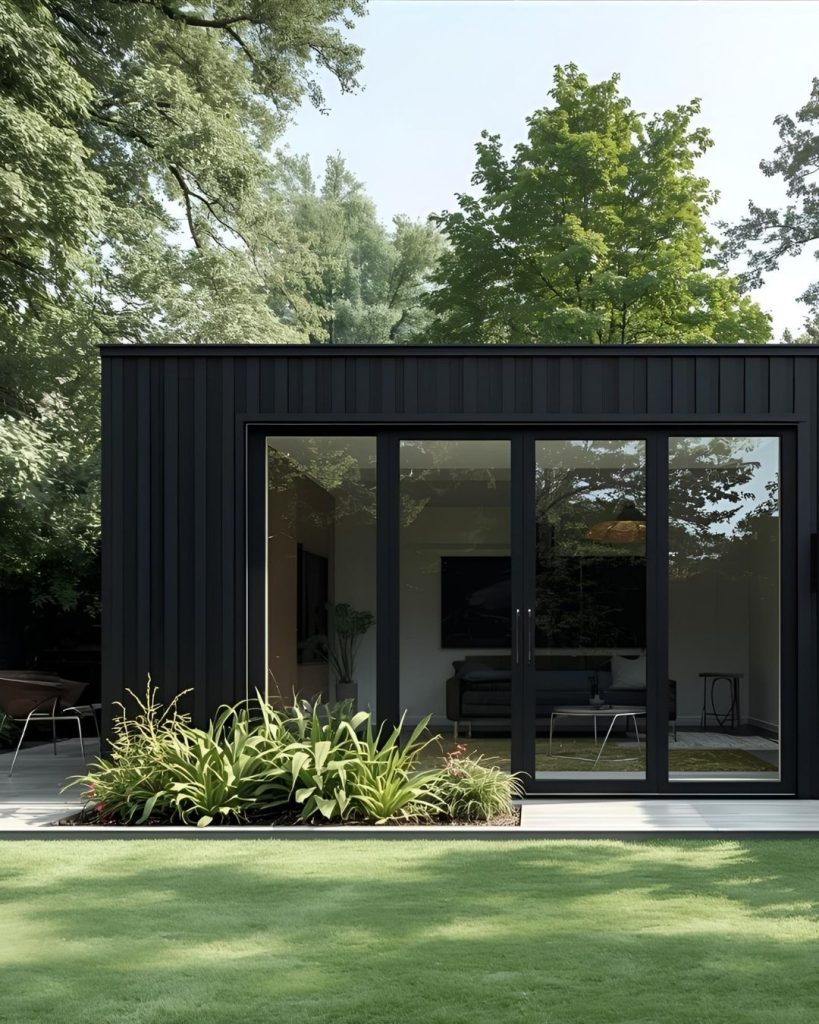
Working From Home in Rochester: Is a Garden Office Right for You?
The way we work has changed permanently. What began as a temporary adjustment has become the new normal for millions of professionals across the UK. Rochester residents find themselves particularly well-positioned for this shift—excellent rail connections into London St Pancras via High Speed 1 mean hybrid working makes perfect sense, combining occasional office days with productive remote working from this historic Medway town.
But working from home presents challenges that become increasingly frustrating over time. The kitchen table that served as an emergency desk now feels permanently cluttered. Video calls interrupted by family noise undermine professional credibility. The boundary between work and personal life blurs until neither feels satisfying. If any of this sounds familiar, a dedicated garden office might be the solution you need.
This guide explores whether a garden office suits your situation, what’s involved, and what Rochester homeowners should consider before committing.
The Problem With Working From Home
Remote working offers genuine advantages—no commute, flexible schedules, better work-life balance in theory. But the reality often disappoints when your workspace shares space with domestic life.
Distraction and interruption: Family members, deliveries, household noise, and the constant temptation of domestic tasks all compete for attention. Concentration suffers, productivity drops, and work that should take hours stretches across entire days.
Professional credibility: Video calls from cluttered spare bedrooms or kitchen corners project an image that undermines your professional standing. Background noise, poor lighting, and visible domestic chaos all detract from how colleagues and clients perceive you.
Boundary erosion: When work happens in living spaces, switching off becomes impossible. You see the laptop on the dining table and feel compelled to check emails. Evenings and weekends blur into extended working hours without the natural separation commuting once provided.
Family friction: Dedicated workspace claimed from family areas creates resentment. Children can’t use the dining table because it’s covered in papers. Partners feel their home has been colonised by your employer. Tension builds around space that should feel relaxing.
Physical discomfort: Makeshift workstations rarely support good posture. Kitchen chairs weren’t designed for eight-hour sitting. Laptop screens strain necks. Over months and years, these compromises affect health and wellbeing significantly.
Why Garden Offices Work
A fully insulated garden office addresses these problems comprehensively by creating genuine separation between work and home life.
Physical boundary: Stepping outside and walking to a separate building creates psychological distance that rooms within your house cannot match. Work stays outside; home stays inside. The boundary becomes tangible rather than theoretical.
Professional environment: Purpose-built offices accommodate proper desks, ergonomic chairs, appropriate lighting, and clean backgrounds for video calls. You present professionally because your environment supports professionalism throughout.
Concentration space: Away from household activity, genuine focus becomes possible again. Deep work happens without interruption. Tasks complete efficiently rather than stretching across distracted hours.
Family harmony: Your home remains a home rather than becoming an extension of your workplace. Family spaces serve family purposes. Nobody resents surrendered rooms or cluttered surfaces.
Commute ritual: The brief walk across your garden provides transition time—short enough to be convenient, significant enough to mark the shift between work and personal modes. Many garden office owners find this micro-commute surprisingly valuable psychologically.
Is a Garden Office Right for You?
Garden offices suit certain situations better than others. Consider honestly whether your circumstances align with what they offer.
Garden Offices Work Well When:
Remote work is permanent or long-term: If you’re working from home several days weekly with no prospect of returning to full-time office attendance, investing in proper workspace makes sense. Rochester’s commuter population increasingly fits this pattern—occasional days in London offices, remaining time working remotely from Kent.
You need genuine separation: If domestic distractions significantly impact your productivity or professional image, physical separation delivers immediate improvement. Those who struggle to concentrate in shared spaces benefit most.
You have suitable garden space: Garden offices require footprint plus access. Most Rochester gardens accommodate modest offices comfortably, though smaller urban plots around the city centre may present constraints. Larger properties across Strood, Borstal, and Cuxton typically offer generous space without difficulty.
Your work involves concentration: Knowledge workers, professionals handling confidential calls, creatives needing focus, and anyone whose productivity depends on uninterrupted thinking benefit enormously. Those whose work involves frequent physical movement away from desks benefit less.
Garden Offices May Not Suit When:
Remote work is temporary: If you expect returning to office-based work within months, garden office investment may not justify itself. Consider whether current arrangements can sustain you until circumstances change.
You thrive on household presence: Some people genuinely prefer working amid family activity. If domestic background enhances rather than hinders your productivity, garden separation removes something valuable.
Budget constraints are severe: Quality garden offices represent significant investment. If finances are tight, improving existing indoor workspace may deliver better value than stretching for external building.
Garden space is extremely limited: Very small gardens may struggle to accommodate offices without sacrificing essential outdoor space. Properties with challenging access may face installation complications increasing costs substantially.
What Does a Garden Office Need?
Effective garden offices require more than four walls and a roof. Specification matters for genuine year-round productivity.
Insulation
Kent winters demand proper insulation throughout walls, floor, and roof. Rochester’s position near the Medway estuary means damp, cold conditions can persist through much of the year. Budget options with minimal insulation prove uncomfortable from October through April, requiring expensive heating to maintain tolerable temperatures. Quality insulation costs more upfront but reduces running costs and improves comfort throughout every season.
Heating
Even well-insulated offices need heating during colder months. Electric panel heaters, infrared panels, or small heat pumps suit most garden offices effectively. Underfloor heating provides comfortable, even warmth without wall-mounted units consuming valuable space. Budget £500-£1,500 for appropriate heating solutions depending on office size and chosen system.
Electrical Installation
Garden offices need proper electrical supply—not extension leads running across lawns. Professional installation includes dedicated consumer unit, multiple double sockets positioned for desk equipment, appropriate lighting circuits, and data cabling or provisions for robust WiFi connectivity. Budget £1,500-£3,500 for electrical connection depending on distance from your main house.
Lighting
Natural light matters for wellbeing and video call quality. Quality garden offices incorporate generous glazing—typically bi-fold doors or large windows flooding spaces with daylight. Supplement with task lighting for desk work and ambient lighting for video calls creating even, flattering illumination without harsh shadows.
Connectivity
Reliable internet connection is non-negotiable for remote work. Options include running ethernet cable from your house, installing dedicated WiFi access point in your garden office, or using mesh network systems extending coverage across your garden effectively. Test connectivity before committing to office position—some garden locations receive weaker signals than others.
Ventilation
Summer months require ventilation preventing stuffiness and overheating. Opening windows provide basic airflow; dedicated ventilation systems offer more consistent climate control. Air conditioning units add cooling capacity for the hottest days, though Kent’s climate makes this optional rather than essential for most users.
Garden Office Costs in Rochester
Understanding realistic costs helps budget effectively for your garden office investment.
Budget garden office (£8,000-£15,000): Basic structures with limited insulation, suitable for occasional use rather than daily occupation throughout all seasons. May require supplementary heating investment for winter comfort.
Mid-range garden office (£15,000-£25,000): Quality insulated buildings with full electrical installation, heating, and interior finishing. Suitable for genuine year-round professional use. Most Rochester homeowners find appropriate solutions within this range.
Premium garden office (£25,000-£40,000+): High-specification builds with large-format glazing, premium insulation, comprehensive electrical installation, climate control, and exceptional finishing throughout. Suit those wanting outstanding quality or larger floor areas.
Additional costs to consider:
- Foundations: £1,500-£4,000 depending on ground conditions
- Electrical connection: £1,500-£3,500 depending on distance
- Internet extension: £200-£800 depending on solution chosen
- Furniture and equipment: £1,000-£5,000 depending on requirements
Total investment for a quality, fully-equipped garden office typically ranges from £20,000-£35,000 across Rochester. Properties with challenging access or ground conditions may face higher costs.
Planning Permission Considerations
Most garden offices fall within permitted development rights, meaning no planning application is required with Medway Council. Conditions include:
- Maximum height 2.5 metres if within 2 metres of a boundary
- Otherwise maximum 4 metres for dual-pitched roofs, 3 metres for other roof types
- Single storey construction only
- Not positioned forward of the principal elevation
- Combined outbuildings must not exceed 50% of garden area
- Use must be incidental to the main dwelling
Rochester contains extensive conservation areas, particularly around the historic cathedral and castle precincts. Properties within these areas may face additional restrictions on garden buildings. Properties near the River Medway may also require consideration of flood risk zones. Checking your specific situation with Medway Council before proceeding avoids complications later.
The Return on Investment
Garden offices represent significant investment, but returns extend beyond simple financial calculation.
Productivity gains: If improved focus saves even one hour daily, that’s over 200 working hours annually. Value that time at your hourly rate and productivity gains alone may justify investment within a few years.
Professional advancement: Better video presence, improved concentration, and enhanced work quality can accelerate career progression. Promotions and pay rises following improved performance compound over time.
Wellbeing benefits: Reduced stress, better work-life boundaries, and improved physical comfort contribute to health and happiness in ways that resist quantification but matter enormously.
Property value: Quality garden offices add value to properties, though amounts vary depending on local market conditions. In Rochester’s competitive market, dedicated home office space increasingly appeals to buyers navigating similar hybrid working patterns.
Commuting savings: Every day working from home rather than travelling into London saves money on rail fares and associated costs. Rochester to St Pancras High Speed season tickets cost thousands annually—even occasional commuting reduction accumulates significant savings over time.
Making Your Decision
Consider these questions when deciding whether a garden office suits your Rochester home:
- How many days weekly will you realistically use the office?
- Does current domestic working significantly impact productivity or professionalism?
- Can your garden accommodate an office without sacrificing essential outdoor space?
- Does your budget allow quality construction delivering year-round comfort?
- Is your remote working arrangement likely to continue long-term?
If answers align positively, a garden office likely represents worthwhile investment transforming your working life for years to come.
Next Steps
Understanding whether a garden office suits your situation helps focus planning effectively. The next step involves assessing your specific garden, requirements, and budget to determine what’s achievable for your property.
We build garden offices throughout Rochester and surrounding areas including Strood, Borstal, Cuxton, Halling, Snodland, Chatham, Gillingham, Rainham, Walderslade, Blue Bell Hill, and surrounding Kent villages. We understand local requirements including conservation area considerations and construct garden offices designed for genuine year-round professional use in Kent’s climate.
Contact us for a free site assessment and detailed quotation.
Considering a garden office for your Rochester property? Contact us for a free site visit and discover what’s achievable for your garden.